

What Is Cold Process Soap? (And Why It’s Better for Your Skin)
Most people never think twice about the soap they use.
It’s just something that sits by the sink or in the shower… used quickly, forgotten just as fast. But not all soap is created the same. In fact, most modern “soaps” aren’t really soap at all.
At Roar, we use a traditional method called cold process soap making. It’s slower, more hands-on, and produces a bar that’s completely different to anything you’ll find on a supermarket shelf.
So what actually is it?
What Is Cold Process Soap?
Cold process soap is made by combining oils and butters with a lye solution. This triggers a chemical reaction called saponification, where the oils are transformed into soap.
No external heat is needed after mixing. The soap is poured into moulds, then left to cure naturally over several weeks.
That’s it. No shortcuts. No industrial processing.
Just oils, time, and chemistry doing their thing.
A Method That’s Been Around for Centuries
Cold process soap making isn’t new. It dates back hundreds, even thousands of years.
Early soap makers used wood ash and animal fats to create basic soaps for cleaning. Over time, the process evolved into the method still used today, just with better ingredients and more control.
Long before mass production, all soap was made this way.
It’s only in recent decades that commercial soaps shifted toward faster, cheaper methods… often stripping out the very things that make soap good for your skin.
What Makes It Different?
The biggest difference comes down to what’s left in the soap.
During cold process soap making, a natural by-product called glycerin is created. Glycerin is incredibly good for your skin, helping to draw in moisture and keep it hydrated.
In many commercial soaps, glycerin is removed and sold separately for use in lotions and cosmetics.
With cold process soap, it stays right where it belongs.
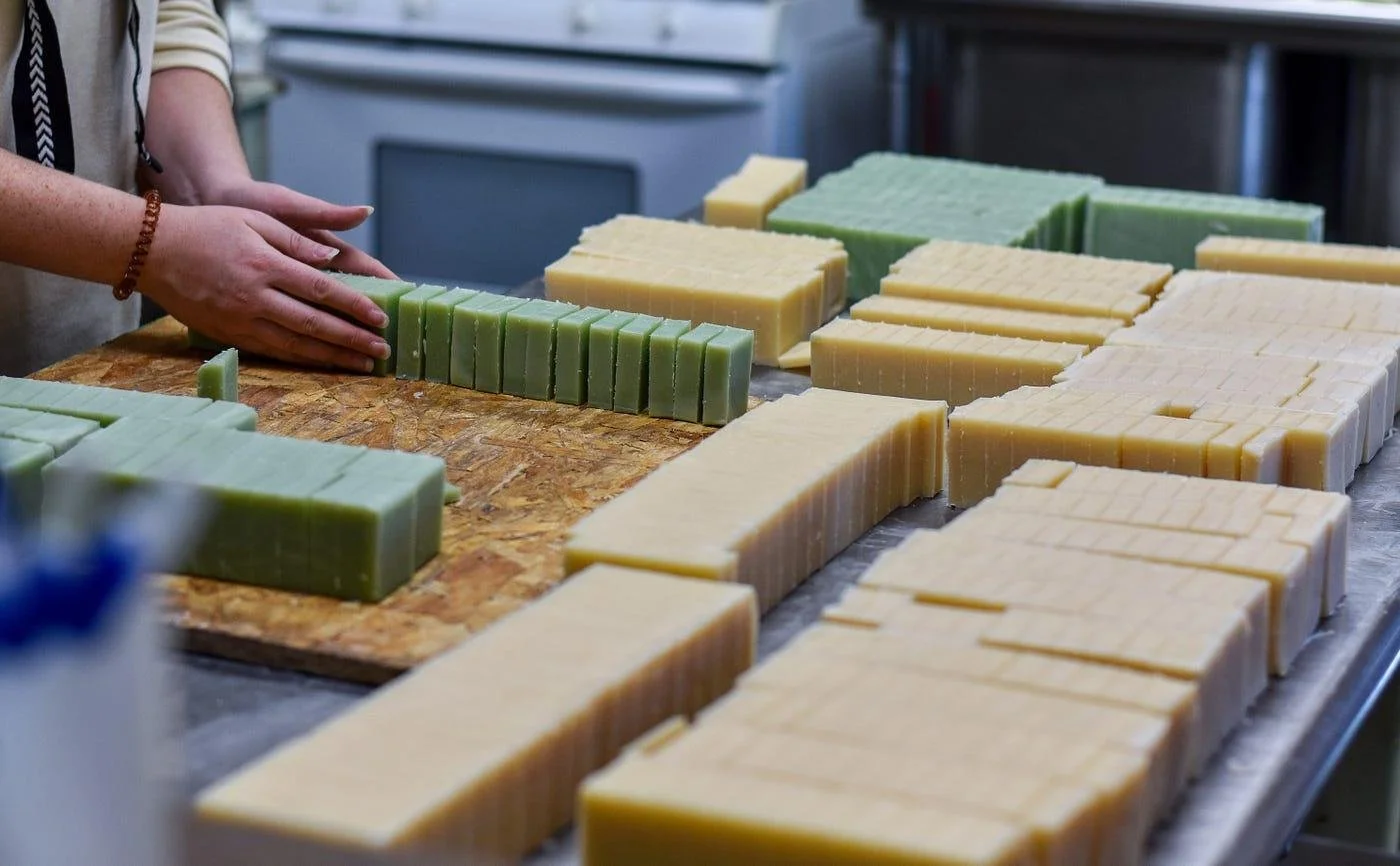
Working away making ROARs cold process natural soap
Better Ingredients, Better Results
Because the process is slower and more controlled, we can use high-quality oils like olive, coconut, and shea butter.
These don’t just clean your skin… they condition it.
The result is a bar that:
Produces a rich, creamy lather
Cleans without stripping your skin
Lasts longer in the shower
Feels noticeably better to use
It’s the kind of difference you don’t really understand until you’ve tried it.
Why We Use Cold Process at Roar
For us, it comes down to one thing: doing it properly.
Cold process soap takes more time. It requires patience. And every batch is made by hand.
But the payoff is a bar that feels solid, performs better, and actually earns its place in your routine.
No fillers. No shortcuts. No nonsense.
Just proper soap, made the way it should be.
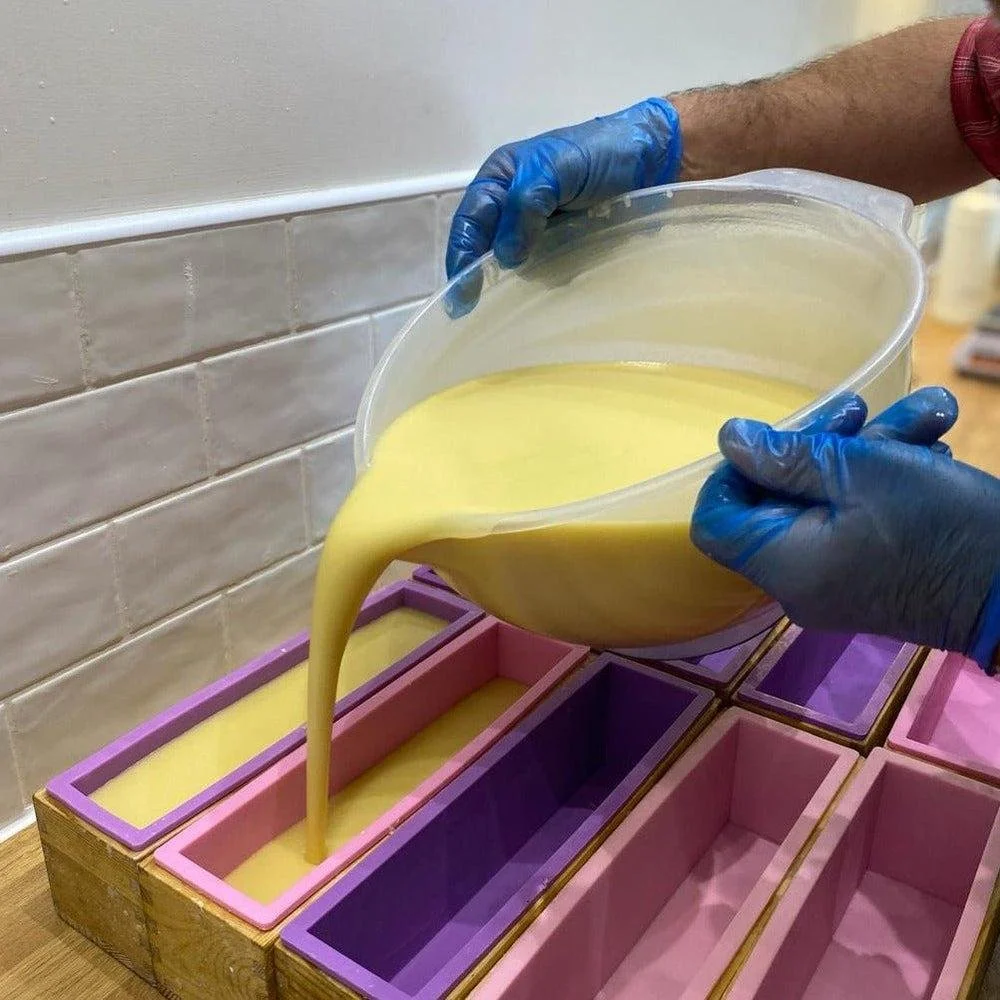
Pouring soap batter into the molds
Final Thoughts
Once you understand how cold process soap is made, it’s hard to go back.
It’s not just about getting clean. It’s about using something that’s been made with care, using ingredients that actually benefit your skin.
And that’s exactly what we’re about at Roar.