

Is Palm Oil Bad in Soap? Here’s Our Take
Palm oil is one of the most widely used ingredients in soap making. It helps create a hard, long-lasting bar and a stable lather. So it’s easy to see why so many brands rely on it.
But it’s also one of the most debated ingredients in the industry.
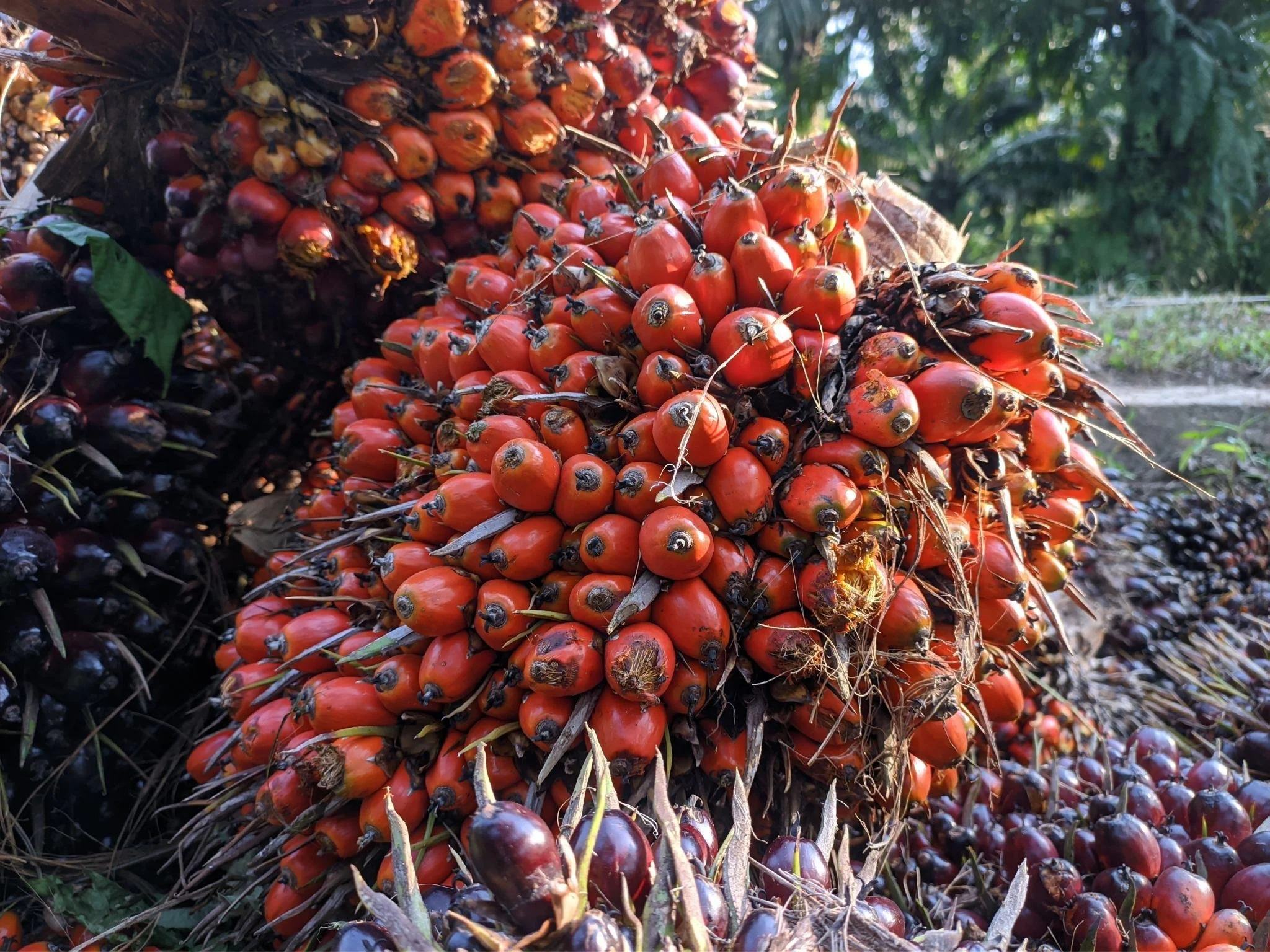
Palm Oil
So… is palm oil actually bad in soap?
What Is Palm Oil Doing in Soap?
Palm oil is used for a simple reason: it works.
In soap making, it helps:
Create a firm, long-lasting bar
Produce a stable, creamy lather
Balance softer oils like olive
From a purely functional point of view, it’s a very effective ingredient.
It’s also cost-effective and widely available, which is one of the reasons it’s so commonly used across the industry.
Why Is It Controversial?
The concerns around palm oil don’t really come from how it performs in soap… they come from how it’s produced.
Palm oil farming has been linked to:
Deforestation
Loss of wildlife habitats
Environmental impact in certain regions
There are initiatives like certified sustainable palm oil, which aim to reduce these issues. Some brands choose to go down that route, and it’s a step in the right direction.
But it’s not always simple… and sourcing can still be difficult to fully trace.
Even when palm oil is sourced more responsibly, it doesn’t fully recreate what was there before.
A palm plantation, by its nature, is a monoculture. Rows of the same trees, grown for efficiency.
That’s a long way from a natural rainforest, which supports a huge range of plant and animal life.
So while sustainable palm oil can reduce some of the environmental impact, it doesn’t replace the biodiversity of a natural ecosystem.
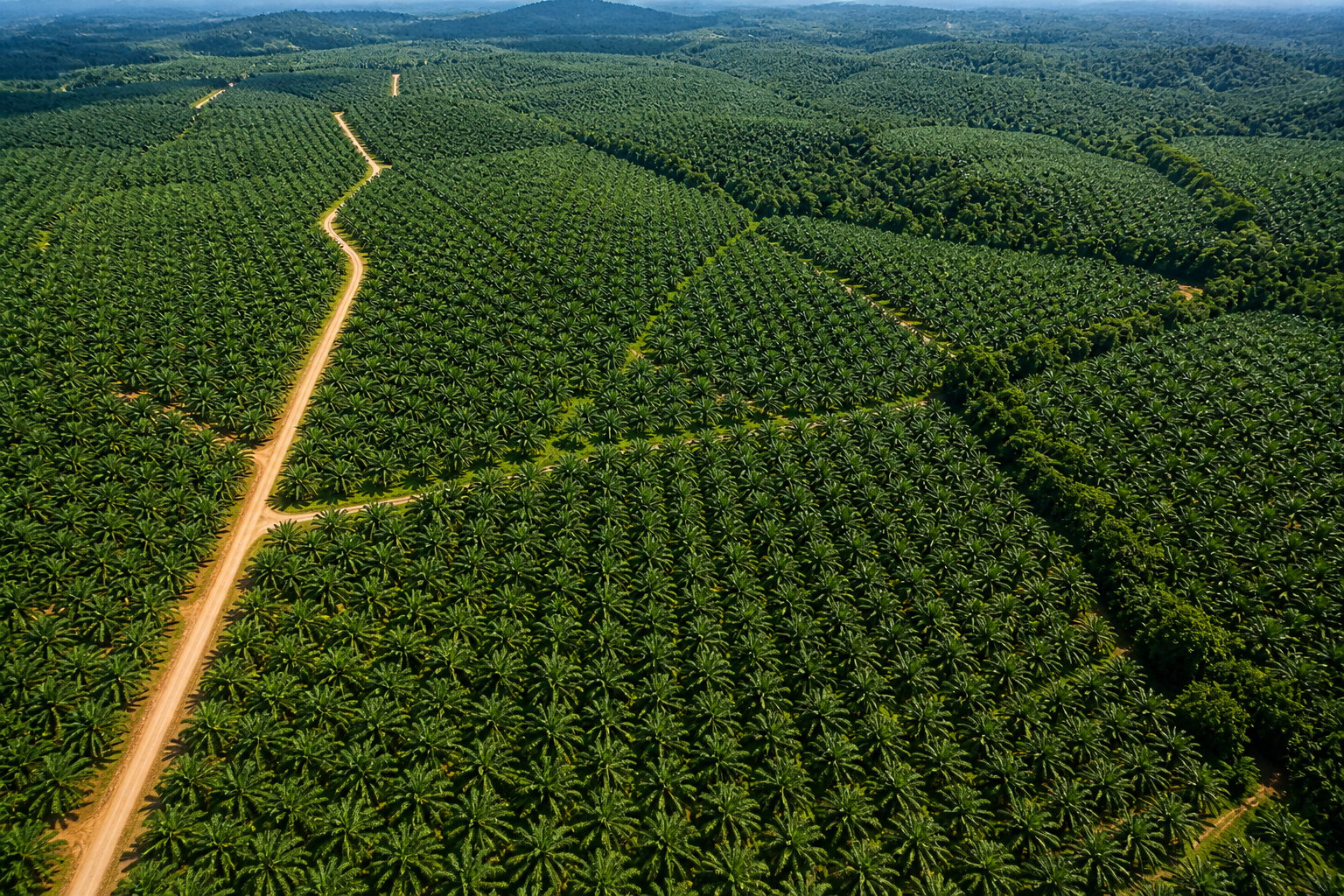
Rows of Palm Oil Trees
Our Take at Roar
At Roar, we’ve chosen not to use palm oil in our soaps.
Not because every use of palm oil is wrong… but because we prefer to keep things simple and fully aligned with how we want to make our products.
We’d rather build our bars around ingredients we know inside out and can rely on consistently.
No compromises. No grey areas.
Just a straightforward approach to making a proper bar of soap.
What We Use Instead
Instead of palm oil, we use a blend of oils and butters that give us full control over how our soap performs.
Our base includes:
Olive oil for a smooth, conditioning feel
Coconut oil for a strong, cleansing lather
Shea butter for added richness and skin comfort
Castor oil to help boost and stabilise the lather
Cocoa Butter to help create a harder, longer-lasting bar
These ingredients work together to create a bar that’s firm, long-lasting, and feels good to use… without needing palm oil.
Does Palm Oil Make Soap Better?
Not necessarily.
Palm oil makes soap easier to formulate at scale, but it’s not essential to making a high-quality bar.
With the right balance of oils and butters, you can achieve the same performance… and often a better overall feel.
It just takes more care and attention to get it right.
Final Thoughts
Palm oil isn’t a simple yes-or-no ingredient.
It works well in soap, and there are more sustainable ways to source it than there used to be. But it also comes with challenges that many brands are still navigating.
For us, the decision is straightforward.
We choose to leave it out and focus on making soap the way we believe it should be made… using ingredients we trust, and a process that doesn’t rely on shortcuts.
Try It for Yourself
If you’re curious about the difference, the best way to understand it is to try it.
Explore our range of handmade soaps and see how a bar made without palm oil actually feels in your daily routine.